Follow Us:

News

Which Premium Fresh Onions Sizes Are Suitable for Restaurant and Food Processing Applications?

2026-10-27 0 Leave me a message

A restaurant kitchen and a food processing line have very different onion requirements, yet both buyers face the same problem: the size grade they order determines how much usable onion they get per kilogram, how much labor is required to prepare it, and how consistent their final product will be. A 40-60mm onion is ideal for a single-portion soup garnish but impractical for a high-volume slicing line. A 80-100mm onion is efficient for dicing but wasteful for a small restaurant that needs a uniform dice size. For procurement managers, the question is not "which size is best" but "which size is right for my application." Understanding the size grades of Premium Fresh Onions and how they map to restaurant and food processing needs is the first step in building a reliable supply specification.


This guide is written for buyers who source onions for restaurant chains, central kitchens, and food processing plants. We will explain the standard size grades for Premium Fresh Onions, how each grade performs in different kitchen and processing applications, the quality criteria that matter beyond size, and the criteria for evaluating a supplier. We will also provide detailed product parameters from our factory at Shandong Huaang Food Processing Co., Ltd. Whether you are specifying onions for a fine dining kitchen, a fast-casual chain, or a diced-onion processing line, this guide will help you select the right size grade for your application.

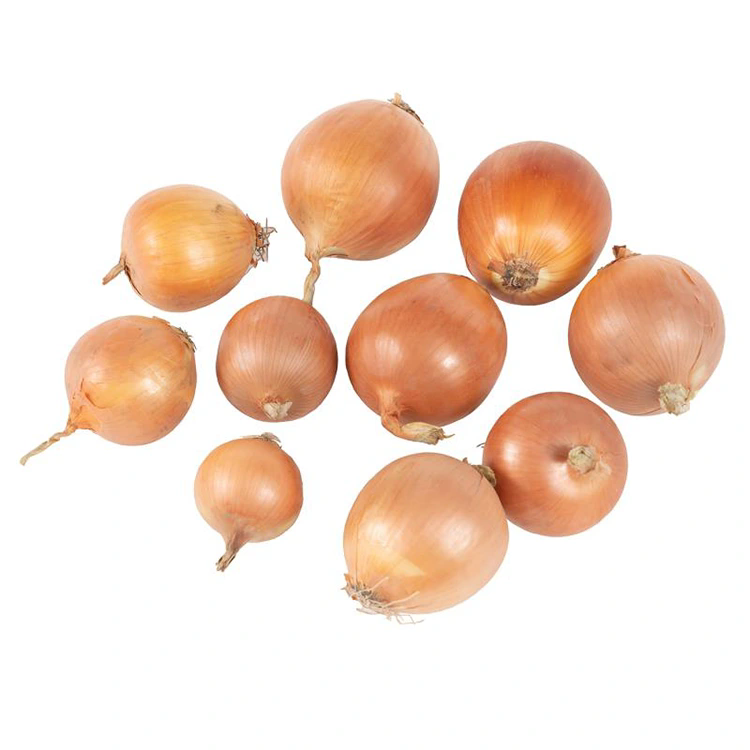
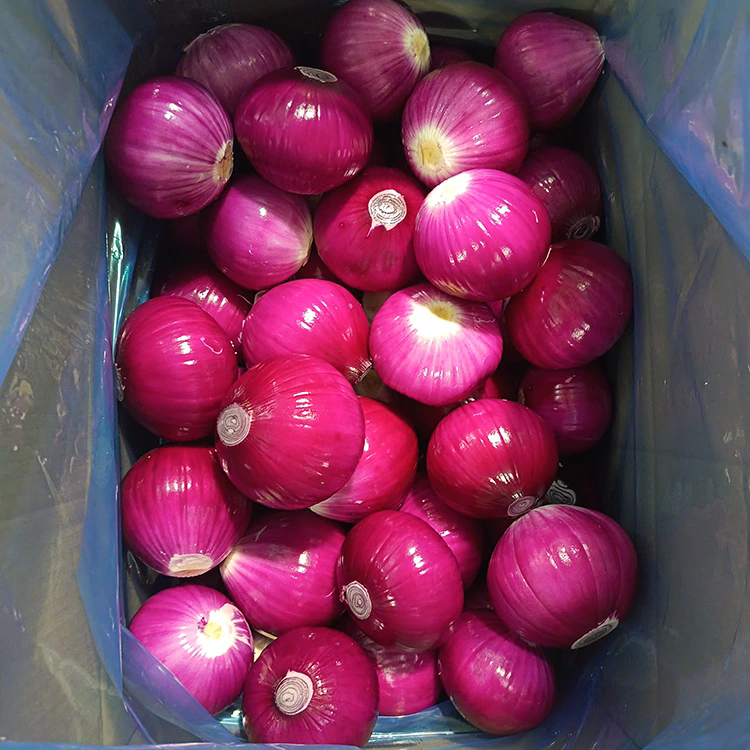
Premium Fresh Yellow Onions


Table of Contents


1. What Are the Standard Size Grades for Premium Fresh Onions?

Premium Fresh Onions are graded by bulb diameter, typically measured in millimeters. The grading system varies slightly between suppliers and regions, but the most common size bands are 40-60mm, 60-80mm, 80-100mm, and 100mm+. Some suppliers also offer 50-70mm and 70-90mm bands for specific markets. The size grade is determined by the sorting equipment at the packing facility, and the tolerance for undersize and oversize bulbs is typically specified in the purchase contract. The table below summarizes the standard size grades and their typical characteristics.

Size Grade Bulb Diameter Typical Weight per Bulb Common Application
Small 40-60mm 50-90g Garnish, pearl onions, pickling
Medium 60-80mm 90-150g General restaurant use, salads
Large 80-100mm 150-250g Dicing, slicing, high-volume kitchens
Extra Large 100mm+ 250g+ Rings, stuffing, processing

At Shandong Huaang Food Processing Co., Ltd., our factory sorts Premium Fresh Onions into these standard grades and can customize the size bands to meet specific customer requirements. We use calibrated sizing equipment and inspect each batch to verify that the size distribution meets the specification. Our goal is to provide our customers with consistent size grades that perform reliably in their kitchens and processing lines.


2. Which Sizes Work Best for Restaurant Kitchens?

The right onion size for a restaurant kitchen depends on the menu, the preparation method, and the labor available. A fine dining restaurant that uses onions as a garnish or in a delicate sauce may prefer small to medium onions (40-80mm) because they are easier to cut into uniform pieces and produce less waste. A high-volume restaurant that dices onions for soups, stews, and sauces may prefer large onions (80-100mm) because they reduce the number of cuts required per kilogram of usable product. A burger restaurant that uses onion rings may prefer extra large onions (100mm+) because they produce larger, more uniform rings. The table below summarizes the recommended sizes for different restaurant applications.

Restaurant Application Recommended Size Reason
Garnish, Fine Dining 40-60mm Uniform small dice, minimal waste
Salads, Sandwiches 60-80mm Easy to slice thin, good presentation
Soups, Stews, Sauces 80-100mm High yield per cut, efficient dicing
Onion Rings 100mm+ Larger rings, better plate coverage
General Prep 60-80mm Versatile, good balance of yield and handling

At our factory, we work with restaurant chains and central kitchens to specify the size grade that best matches their menu and preparation methods. We can supply different size grades to different locations within a chain, or we can provide a mixed grade that covers multiple applications. Our goal is to help our customers reduce prep time and waste while maintaining the presentation quality their menu requires.


3. Which Sizes Are Suitable for Food Processing Lines?

Food processing lines have different requirements from restaurant kitchens. The processing line is typically designed around a specific size range, and the equipment is calibrated to that range. A dicer that is set up for 80-100mm onions will not perform efficiently with 40-60mm onions, and vice versa. The size grade must match the equipment's infeed specifications. In addition, the processing line requires a consistent size to maintain throughput and product quality. A batch with a wide size distribution will cause the line to run slower, produce uneven cuts, and increase downtime. The table below summarizes the size requirements for different processing applications.

Processing Application Recommended Size Equipment Consideration
Dicing Line 80-100mm Dicer infeed calibrated for large bulbs
Slicing Line 60-80mm Slicer blade spacing optimized for medium bulbs
Dehydration Line 60-80mm Consistent size for uniform drying
Onion Ring Line 100mm+ Ring cutter sized for extra large bulbs
Diced Frozen Onion 80-100mm High throughput, consistent dice size

At Shandong Huaang Food Processing Co., Ltd., our factory supplies Premium Fresh Onions to processing lines that require consistent size grades. We can provide a narrow size band (for example, 80-90mm) to match a specific equipment specification. We also provide size distribution data with each shipment, so that the processing line can verify that the incoming onions meet the required specification. Our goal is to help our customers maintain line efficiency and product consistency.


4. What Quality Factors Matter Beyond Size?

Size is only one of the quality factors that determine the performance of Premium Fresh Onions in restaurant and processing applications. The other factors are firmness, skin quality, neck condition, moisture content, and flavor profile. Firmness determines how well the onion holds its shape during cutting and cooking. Skin quality affects peeling loss and appearance. Neck condition indicates whether the onion is properly cured and less likely to sprout or rot. Moisture content affects yield and cooking behavior. Flavor profile—sweetness, pungency, and aroma—determines the final taste of the dish. The table below summarizes these quality factors and their importance.

Quality Factor Importance How to Verify
Firmness Holds shape during cutting and cooking Hand squeeze test, penetrometer
Skin Quality Reduces peeling loss, improves appearance Visual inspection, skin retention test
Neck Condition Indicates proper curing, reduces sprouting Visual inspection, neck diameter
Moisture Content Affects yield and cooking behavior Moisture meter, lab test
Flavor Profile Determines final taste Sensory evaluation, lab analysis

At our factory, we inspect every batch of Premium Fresh Onions for these quality factors before shipment. We use a combination of visual inspection, hand testing, and laboratory analysis to verify that the onions meet our specifications. We also work with our customers to define the quality parameters that matter most for their application, and we tailor our inspection protocol accordingly.


5. How Does Size Affect Yield and Labor Cost?

Size has a direct effect on yield and labor cost. A larger onion produces more usable product per bulb, but it also requires more cutting force and may produce larger, less uniform pieces. A smaller onion produces smaller, more uniform pieces, but it requires more cuts per kilogram and produces more waste. The optimal size depends on the application and the labor cost. In a high-labor-cost environment, larger onions may be more economical because they reduce the number of cuts. In a low-labor-cost environment, smaller onions may be more economical because they reduce waste. The table below compares the yield and labor implications of different size grades.

Size Grade Peeling Loss Cutting Labor Piece Uniformity
40-60mm Higher (more surface area per unit weight) Higher (more cuts per kg) High (uniform small pieces)
60-80mm Moderate Moderate Good
80-100mm Lower Lower (fewer cuts per kg) Moderate (larger pieces)
100mm+ Lowest Lowest Lower (large, less uniform pieces)

At Shandong Huaang Food Processing Co., Ltd., we help our customers calculate the yield and labor implications of different size grades. We can provide sample batches for testing, and we can work with your kitchen or processing team to identify the size grade that delivers the best balance of yield, labor, and product quality.


6. How Do You Evaluate a Premium Fresh Onion Supplier?

Evaluating a supplier of Premium Fresh Onions requires a focus on size consistency, quality control, supply reliability, and food safety. The supplier must have the capability to sort onions into consistent size grades, with a narrow tolerance for undersize and oversize bulbs. They must have a quality control system that inspects for firmness, skin quality, neck condition, and flavor. They must have a reliable supply chain that can deliver consistent volumes throughout the year. And they must have food safety certifications that meet the requirements of restaurants and food processors. The table below summarizes the evaluation criteria.

Evaluation Criterion What to Look For Why It Matters
Size Consistency Calibrated sorting, narrow size distribution Ensures consistent prep and processing
Quality Control Inspection for firmness, skin, neck, flavor Ensures product performance
Supply Reliability Year-round availability, cold chain capability Ensures continuous supply
Food Safety HACCP, GLOBALG.A.P., or equivalent Ensures compliance with food safety standards
Documentation Size reports, quality certificates Supports procurement and audit requirements

At our factory, we have been processing and supplying Premium Fresh Onions for over a decade. We use calibrated sizing equipment and maintain a rigorous quality control program. We are certified to HACCP and GLOBALG.A.P. standards. And we provide complete documentation with every shipment. We invite you to evaluate us against these criteria and to consider us as your partner for Premium Fresh Onions.


7. What Are the Key Product Parameters from Our Factory?

The following table provides the key product parameters for our Premium Fresh Onions. These onions are suitable for restaurant kitchens, central kitchens, and food processing lines. Our factory can also customize the size grade and packaging to meet specific requirements.

Parameter Specification Range Notes
Size Grades 40-60mm, 60-80mm, 80-100mm, 100mm+ Custom size bands available
Variety Yellow, Red, White Selected for flavor and application
Packaging 10kg, 20kg mesh bags, cartons Custom packaging available
Storage Temperature 0-2°C Cold chain maintained
Shelf Life 30-60 days Depends on storage conditions
Certifications HACCP, GLOBALG.A.P. Food safety compliance
MOQ 1 x 20ft container Negotiable for large orders
Lead Time 2 - 4 weeks Depends on quantity and season

At our factory, we manufacture our Premium Fresh Onions to meet these specifications and more. We can customize the size grade, variety, and packaging to suit your specific requirements. Our quality control system includes inspection of raw materials, in-process inspection, and final inspection before shipment. Our goal is to provide our customers with high-quality Premium Fresh Onions that meet their performance requirements.


8. Frequently Asked Questions (FAQ)

Question 1: What size onion is best for dicing in a food processing line?

Answer: For a food processing dicing line, 80-100mm onions are typically the best choice. They provide a high yield per cut and are compatible with most commercial dicer infeed specifications. However, the optimal size depends on the specific equipment. A dicer that is calibrated for 80-100mm onions will not perform efficiently with smaller or larger bulbs. We recommend confirming the equipment's infeed specification before selecting a size grade.

Question 2: What size onion is best for a restaurant kitchen?

Answer: The best size for a restaurant kitchen depends on the menu and the preparation method. For garnishes and fine dining, 40-60mm onions provide uniform small pieces. For general prep, 60-80mm onions offer a good balance of yield and handling. For high-volume dicing, 80-100mm onions reduce the number of cuts per kilogram. We recommend matching the size grade to the specific application and labor cost.

Question 3: How does onion size affect peeling loss?

Answer: Smaller onions have a higher peeling loss because they have more surface area per unit weight. A 40-60mm onion may lose 15-20% of its weight during peeling, while a 80-100mm onion may lose only 8-12%. The difference is significant when calculated over a large volume. For high-volume processing, larger onions are more economical from a yield perspective.

Question 4: Can I order a custom size band for my processing line?

Answer: Yes, we offer custom size bands for our Premium Fresh Onions. If your equipment requires a specific range, such as 80-90mm or 70-80mm, we can sort the onions to that specification. Custom size bands typically require a minimum order quantity and may add 1-2 weeks to the lead time. Please contact our sales team to discuss your requirements.

Question 5: How do you ensure size consistency across shipments?

Answer: We use calibrated sizing equipment and inspect each batch before shipment. We also provide a size distribution report with each shipment, so that our customers can verify that the incoming onions meet the specification. Our quality control team conducts regular audits of the sizing process to ensure consistency. If a shipment does not meet the agreed size specification, we will replace it or issue a credit.


9. Conclusion

Selecting the right size grade for Premium Fresh Onions is a decision that affects yield, labor cost, and product quality. The optimal size depends on the application—restaurant kitchens, central kitchens, and food processing lines each have different requirements. By understanding the standard size grades and how they perform in different applications, buyers can specify the size that delivers the best balance of efficiency and quality. At Shandong Huaang Food Processing Co., Ltd., our factory has the capability to supply Premium Fresh Onions in a range of size grades, with consistent quality and reliable delivery. We work with our customers to understand their specific requirements and to provide the right product for their application.

Whether you are sourcing onions for a restaurant chain, a central kitchen, or a food processing plant, we invite you to contact us to discuss your requirements. We can provide samples, size reports, and customized solutions. Our commitment to quality and customer satisfaction has made us a trusted partner for foodservice and food processing businesses around the world.

Contact Shandong Huaang Food Processing Co., Ltd. today to discuss your Premium Fresh Onions requirements and discover how our size grades can improve your kitchen or processing line efficiency.

Related News
Leave me a message
X
We use cookies to offer you a better browsing experience, analyze site traffic and personalize content. By using this site, you agree to our use of cookies. Privacy Policy
RejectAccept