Follow Us:
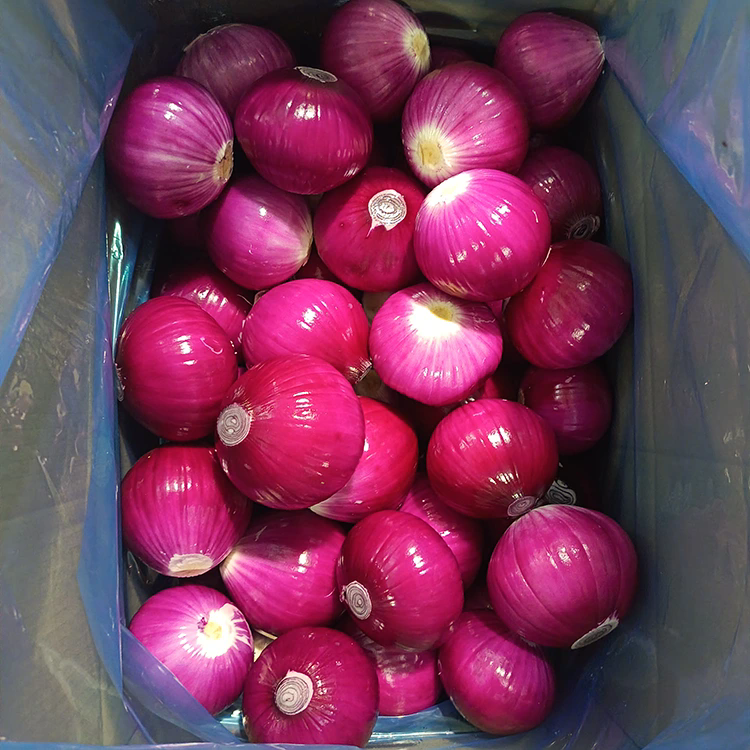
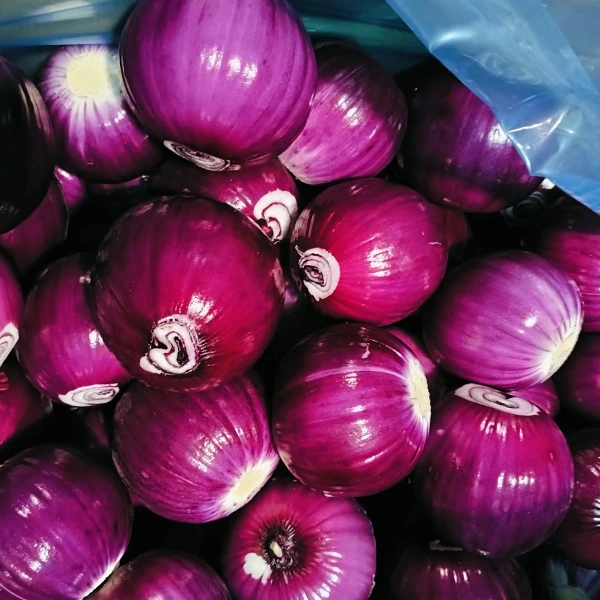
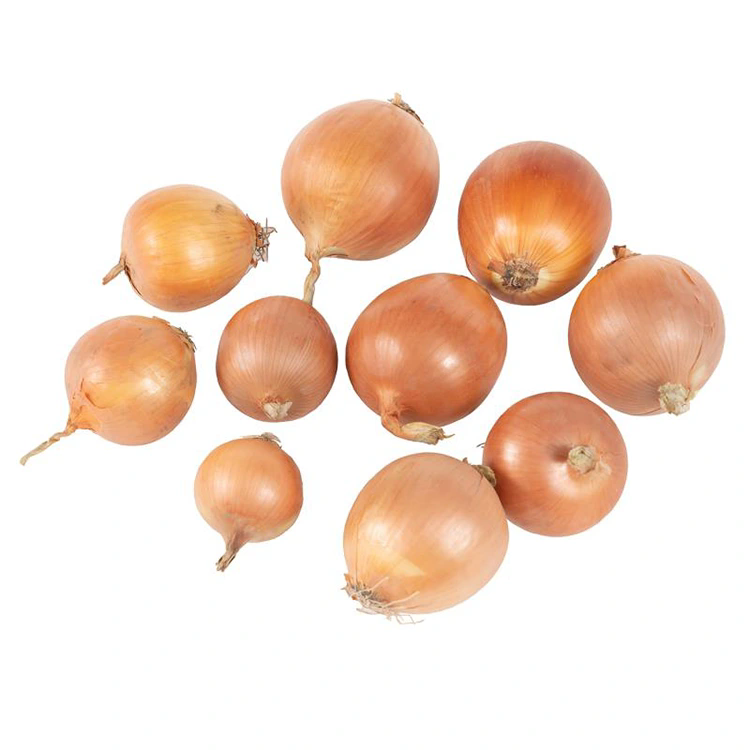
Premium Fresh Onions are a living product. After harvest, they continue to respire, lose moisture, and respond to the temperature, humidity, and handling conditions they encounter. In distribution, the goal is not to stop this activity but to slow it down and to prevent the conditions that lead to sprouting, root growth, soft rot, and mechanical damage. A lot that leaves the packhouse in excellent condition can arrive at the retail DC with reduced shelf life if the cold chain is broken, the ventilation is inadequate, or the packaging traps moisture. For a procurement manager, understanding these factors is the basis for specifying the right product, the right packaging, and the right logistics conditions.
This guide is written for buyers who source Premium Fresh Onions for retail, food service, or wholesale distribution. It explains the biological and environmental factors that determine shelf life, the harvest and curing practices that set the initial quality, the storage and transport parameters that preserve it, the packaging and handling choices that protect it, and the verification steps that a buyer can use to confirm that a supplier is managing these factors. The content is organized around the questions a procurement team should ask, and it includes the product parameters and documentation that a reliable supplier should provide. Our factory at Shandong Huaang Food Processing Co., Ltd. prepares Premium Fresh Onions for export and domestic distribution, and the guidance below reflects the standards we apply to the products we supply.
Onion shelf life is a biological process because the bulb is still alive after harvest. It respires, using stored carbohydrates and oxygen to produce energy, carbon dioxide, and water vapor. It loses moisture through its skin and neck. It responds to temperature and humidity by changing its respiration rate and its susceptibility to decay. It can break dormancy and sprout. It can be infected by pathogens that were latent at harvest. These processes do not stop when the onion leaves the field. They continue through the packhouse, the truck, the distribution center, and the retail shelf. The buyer who treats shelf life as a fixed number on a specification sheet will be surprised when a lot fails earlier than expected. The buyer who understands the biological drivers can specify the conditions that slow the process and can ask the supplier the right questions.
The table below summarizes the biological processes that determine onion shelf life and the conditions that influence each one.
| Biological Process | What Happens | Conditions That Accelerate It | Conditions That Slow It |
| Respiration | Consumption of stored carbohydrates and oxygen | High temperature, mechanical injury | Low temperature, intact skin |
| Moisture loss | Water evaporates through skin and neck | Low humidity, high airflow, damaged neck | Moderate humidity, cured neck, appropriate airflow |
| Sprouting | Dormancy breaks and internal shoot grows | Warm temperature, high humidity | Cold storage, low humidity, sprout inhibitor where permitted |
| Decay | Pathogens infect the bulb | Mechanical injury, free moisture, warm temperature | Careful handling, dry surface, cold chain |
| Root growth | Roots emerge from the base plate | High humidity, warm temperature | Dry storage, low temperature |
Our factory at Shandong Huaang Food Processing Co., Ltd. prepares Premium Fresh Onions with these biological processes in mind. We source from growers who understand maturity and curing, and we manage the packhouse conditions to avoid introducing moisture or injury. The goal is to deliver a lot with a predictable shelf life, not just a lot that looks good on the day of shipment.
For a procurement team, the biological perspective changes the questions. Instead of asking only “what is the shelf life,” ask “what is the respiration rate at the specified temperature,” “what is the expected moisture loss over the distribution window,” and “what is the sprouting risk at the expected storage temperature.” A supplier that can answer these questions is a supplier that is managing the biology, not just the appearance.
Harvest maturity and curing set the initial shelf life because they determine the condition of the bulb at the moment it enters storage. An onion harvested too early has a thin, immature skin and a thick neck that has not sealed. It loses moisture rapidly and is highly susceptible to decay. An onion harvested too late may have already begun to sprout or may have weakened skin. The ideal harvest point is when the tops begin to fall and the neck begins to dry, but before the bulb is over-mature. Curing is the process that follows harvest. It dries the neck and the outer skin, seals the neck against pathogen entry, and allows the outer skin to become papery. Curing can be done in the field or in a forced-air curing facility.
The timeline below describes the harvest and curing sequence and the shelf-life implications of each stage.
Our factory at Shandong Huaang Food Processing Co., Ltd. works with growers who follow a maturity-based harvest plan and who deliver cured onions to the packhouse. We inspect the neck condition and the skin quality at receiving, and we reject lots that show incomplete curing or mechanical damage. The goal is to start the distribution chain with a lot that has the biological potential for a long shelf life.
For a buyer, the harvest and curing question should be part of the supplier qualification. Ask how the supplier defines harvest maturity, whether field curing or forced-air curing is used, and how the cured lots are inspected before packing. A supplier that cannot describe the curing process is a supplier that may be relying on appearance alone. A supplier that can provide the harvest date, the curing method, and the receiving inspection criteria is a supplier that is managing the initial shelf life.
Temperature, humidity, and ventilation are the three environmental parameters that determine how fast the biological processes proceed during distribution. Temperature controls the respiration rate and the sprouting risk. Humidity controls the moisture loss and the root growth. Ventilation controls the removal of heat, moisture, and respiration gases. The three parameters interact. A low temperature with poor ventilation can create a humid microclimate that encourages decay. A high airflow with low humidity can cause excessive moisture loss and shrinkage. The optimum is a controlled temperature, a moderate humidity, and an airflow that removes the respiration heat and moisture without drying the bulbs.
The table below presents the recommended storage and transport parameters for Premium Fresh Onions and the consequences of deviation.
| Parameter | Recommended Range | Deviation Effect | Buyer Check |
| Storage temperature | 0°C to 5°C for long storage; 5°C to 10°C for short distribution | Warm temperature increases respiration, sprouting, and decay | Request temperature data logger records |
| Relative humidity | 65% to 75% | High humidity increases root growth and decay; low humidity increases shrinkage | Confirm humidity control in storage and transport |
| Airflow | Sufficient to remove respiration heat and moisture | Poor airflow creates hot spots and condensation | Confirm stack configuration and ventilation design |
| Ethylene exposure | Avoid mixing with ethylene-producing produce | Ethylene can accelerate sprouting and decay | Confirm segregation in mixed loads |
| Condensation control | Prevent free moisture on the bulb surface | Free moisture promotes bacterial and fungal decay | Confirm temperature transitions are managed |
Our factory at Shandong Huaang Food Processing Co., Ltd. stores Premium Fresh Onions in controlled facilities and ships with temperature monitoring where the customer requires it. We advise our customers on the storage and transport parameters for the intended distribution window and on the segregation requirements for mixed loads. The goal is to keep the onions within the recommended envelope from the packhouse to the retail DC.
For a buyer, the environmental parameters should be specified in the purchase order and verified with data. Ask for the temperature logger records for the shipment, the humidity control method, and the stack configuration. A supplier that can provide this data is a supplier that is managing the distribution environment. A supplier that cannot provide it is a supplier that is leaving the shelf life to chance.
Packaging and stacking affect moisture and mechanical damage because they determine how the onions are protected during handling and how the air moves through the load. A package that traps moisture creates a humid microclimate that encourages root growth and decay. A package that provides inadequate protection allows mechanical damage that becomes an entry point for pathogens. A stack that is too high or too tight restricts airflow and creates pressure damage at the contact points. A stack that is too loose allows movement and impact damage during transport.
The table below compares common packaging and stacking approaches for Premium Fresh Onions and their effect on shelf life.
| Packaging or Stacking Approach | Moisture Effect | Mechanical Damage Effect | Shelf-Life Implication |
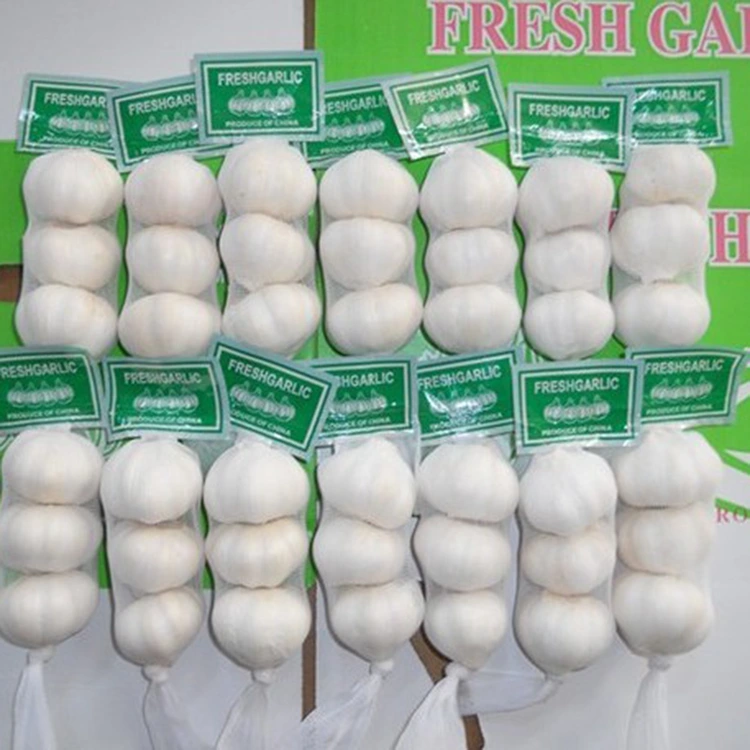
| Mesh bag, ventilated | Good moisture release | Moderate protection | Suitable for short distribution |
| Ventilated carton | Controlled moisture release | Good protection and stackability | Suitable for retail distribution |
| Non-ventilated carton | Moisture trapped | Good protection | Risk of condensation and decay |
| Bulk bin with forced air | Excellent airflow | Low protection at contact points | Suitable for storage, not retail |
| Stack height above specification | Reduced airflow at bottom | Pressure damage | Reduced shelf life at bottom of stack |
Our factory at Shandong Huaang Food Processing Co., Ltd. offers ventilated mesh bags and ventilated cartons for Premium Fresh Onions, and we advise on the stack configuration for the transport mode. We also inspect the packed product for mechanical damage before shipment, because a damaged bulb is a shelf-life risk regardless of the packaging. The goal is to provide packaging that supports the environmental control, not packaging that undermines it.
For a buyer, the packaging and stacking choices should be matched to the distribution channel. A retail channel that requires a fixed pack size may prefer a ventilated carton. A food service channel that uses bulk handling may prefer a mesh bag or a bulk bin. The buyer should confirm the ventilation openings, the stack height limit, and the pallet pattern with the supplier. These details are part of the shelf-life specification, not just the logistics specification.
Disease and physiological disorders shorten distribution shelf life by causing decay, off-odors, and loss of firmness that may not be visible at the time of packing. The most common diseases are neck rot, soft rot, and black mold. Neck rot is caused by Botrytis and develops at the neck, especially when the neck is not fully cured. Soft rot is caused by bacteria and develops at damaged areas. Black mold is caused by Aspergillus and develops in warm, humid conditions. Physiological disorders include translucent scale, which is caused by freezing or by excessive nitrogen, and sprouting, which is caused by warm storage. The table below presents the main disorders, their causes, and the preventive measures.
| Disorder | Cause | Preventive Measure | Buyer Check |
| Neck rot | Botrytis infection at an incompletely cured neck | Complete curing, dry neck, cool storage | Inspect neck condition at receiving |
| Soft rot | Bacterial infection at a mechanical injury | Careful handling, dry surface, rapid cooling | Inspect for bruising and damaged bulbs |
| Black mold | Aspergillus in warm and humid conditions | Control temperature and humidity, ventilate | Confirm storage conditions |
| Translucent scale | Freezing or excessive nitrogen | Avoid freezing, manage field nitrogen | Confirm cold chain does not drop below 0°C |
| Sprouting | Warm storage, high humidity | Cold storage, low humidity, sprout inhibitor where permitted | Confirm storage temperature and treatment |
Our factory at Shandong Huaang Food Processing Co., Ltd. inspects Premium Fresh Onions at receiving and before packing for the signs of these disorders. We reject lots with visible neck rot, soft rot, or freeze damage, and we manage the storage conditions to prevent the development of the latent disorders. The goal is to deliver a lot that is free of the conditions that would shorten the shelf life after shipment.
For a buyer, the disorder question should be part of the receiving inspection plan. Ask the supplier which disorders are monitored, what the rejection criteria are, and what preventive treatments are used. A supplier that can describe the inspection and the preventive measures is a supplier that is managing the biological risk. A supplier that can only describe the product appearance is a supplier that may be missing the latent disorders.
Buyers should verify shelf-life management by requiring documentation and test data that cover the harvest, the curing, the storage, the packaging, and the transport. The verification should be performed before the first order and repeated periodically as part of the supplier monitoring program. The checklist below presents the verification steps in the order they should be completed.
| Verification Step | What to Request | Acceptance Criterion |
| Harvest and curing record | Harvest date, curing method, neck condition | Maturity-based harvest, complete curing |
| Storage parameters | Temperature, humidity, airflow data | Within the recommended range |
| Packaging specification | Ventilation openings, stack height, pallet pattern | Matched to the distribution channel |
| Disorder inspection record | Receiving and pre-pack inspection results | Rejection criteria applied consistently |
| Transport monitoring | Temperature logger data for the shipment | No excursion outside the agreed range |
| Shelf-life trial data | Simulated distribution trial results | Meets the agreed shelf-life target |
Our factory at Shandong Huaang Food Processing Co., Ltd. provides these records for the Premium Fresh Onions we supply. We also work with our customers on shelf-life trials that simulate the intended distribution window and the intended retail display conditions. The goal is to make the shelf-life claim verifiable, not just a statement on the specification sheet.
For a buyer, the verification should also include a review of the supplier’s corrective action process. If a lot arrives with a shelf-life problem, the supplier should be able to investigate the cause and implement a corrective action. A supplier that can describe the investigation process is a supplier that is managing the quality system. A supplier that cannot describe it is a supplier that is relying on luck.
Question 1: What is the most important factor influencing the shelf life of premium fresh onions during distribution?
Answer: Temperature is the single most important factor because it controls the respiration rate, the sprouting risk, and the decay rate. A lot stored and transported at the recommended temperature will have a much longer shelf life than the same lot exposed to warm conditions. However, temperature must be combined with appropriate humidity, ventilation, and curing to achieve the full shelf life. A buyer should treat temperature as the primary control point and verify it with logger data.
Question 2: How does curing affect onion shelf life?
Answer: Curing dries the neck and the outer skin, seals the neck against pathogen entry, and allows the skin to become papery. A well-cured onion loses less moisture, resists neck rot, and stores longer. An incompletely cured onion has a thick, moist neck that is an entry point for Botrytis and other pathogens. The buyer should ask how the supplier cures the onions and should inspect the neck condition at receiving.
Question 3: What humidity range is recommended for onion storage and transport?
Answer: A relative humidity of 65% to 75% is generally recommended for onion storage and transport. Higher humidity encourages root growth and decay, while lower humidity increases moisture loss and shrinkage. The optimum depends on the temperature and the airflow. The buyer should confirm that the supplier controls humidity, not just temperature, and should review the humidity data where available.
Question 4: Why does packaging ventilation matter for onion shelf life?
Answer: Packaging ventilation allows respiration heat and moisture to escape from the load. If the packaging is non-ventilated, moisture can accumulate, creating a humid microclimate that encourages root growth and decay. Ventilated mesh bags and ventilated cartons are preferred for premium fresh onions. The buyer should confirm the ventilation openings and the stack configuration to ensure that airflow is not blocked.
Question 5: How can a buyer verify a supplier’s shelf-life claim before placing an order?
Answer: The buyer should request the harvest and curing record, the storage temperature and humidity data, the packaging specification, the disorder inspection record, and the transport temperature logger data. A shelf-life trial that simulates the intended distribution window provides additional confidence. A supplier that can provide this documentation is a supplier that is managing shelf life. A supplier that cannot provide it is a supplier that is asking the buyer to accept an unverified claim.
The shelf life of Premium Fresh Onions during distribution is determined by a chain of factors: the harvest maturity, the curing quality, the storage and transport temperature, the humidity and ventilation, the packaging and stacking, and the control of disease and physiological disorders. Each factor can shorten or extend the shelf life, and the factors interact. A buyer who specifies only the appearance and the price is missing the factors that determine whether the product will still be saleable at the end of the distribution window. A buyer who specifies the environmental parameters, the packaging, and the verification data is managing the shelf life from the point of order. Our factory at Shandong Huaang Food Processing Co., Ltd. prepares Premium Fresh Onions with these factors in mind and provides the documentation that buyers need to verify the shelf-life management. If you are sourcing Premium Fresh Onions for distribution, contact our team to discuss your shelf-life target and the verification data for your market.
Contact Shandong Huaang Food Processing Co., Ltd. today to discuss your Premium Fresh Onions requirements and to request the harvest, storage, packaging, and transport documentation for your distribution program.
Phone: +86-13165182711
Mobile: +86-13165182711
Email: Info@huaangfood.com
Address:No. 19 Jing'er Road, Changgou Town, Rencheng District, Jining City, Shandong Province, China
Copyright © 2026 Shandong Huaang Food Processing Co., Ltd. All Rights Reserved.