Follow Us:

News

Why Does Fresh Garlic Develop Mold During Storage and International Shipping?

2026-10-20 0 Leave me a message

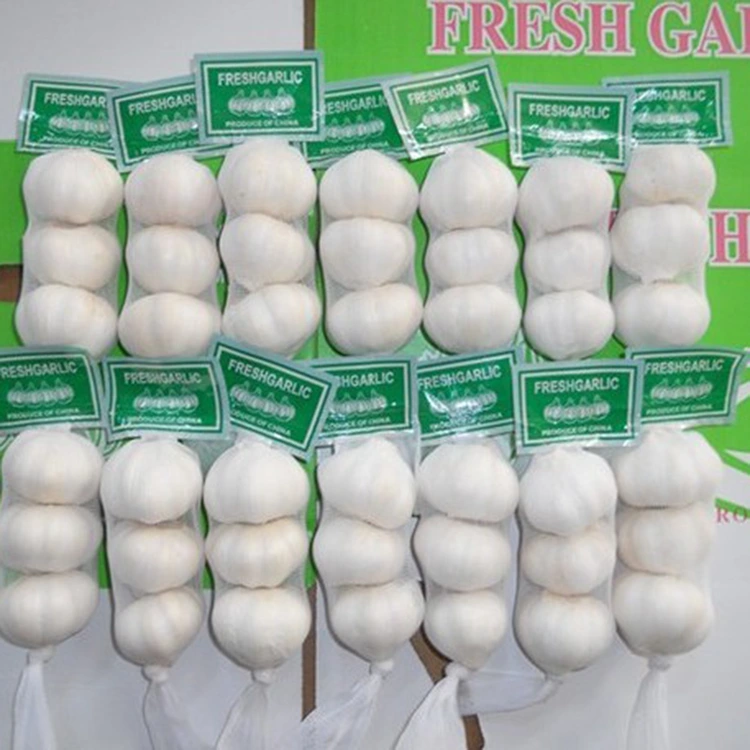
A container of Premium Fresh Garlic arrives at a port after a four-week ocean voyage. The buyer opens the doors expecting to see firm, white bulbs. Instead, they find patches of blue-green mold on the outer skins and soft, discolored cloves underneath. The shipment is rejected, the supplier is blamed, and the buyer faces a costly disruption to their distribution schedule. This scenario is repeated across the global garlic trade every season, and the causes are rarely simple. Mold in fresh garlic is not usually the result of a single mistake. It is the outcome of a chain of conditions that begins at harvest and continues through curing, storage, packing, and shipping. For buyers, understanding this chain is essential for specifying the right product and selecting a supplier who can control it.


This guide is written for importers, distributors, and procurement managers who source Premium Fresh Garlic from international suppliers. We will explain the biological and environmental factors that cause mold, the critical control points in the supply chain, the specifications to include in a purchase order, and the criteria for evaluating a supplier. We will also provide detailed product parameters from our factory at Shandong Huaang Food Processing Co., Ltd. Whether you are sourcing garlic for retail, food service, or processing, this guide will help you reduce mold-related losses and protect your investment.

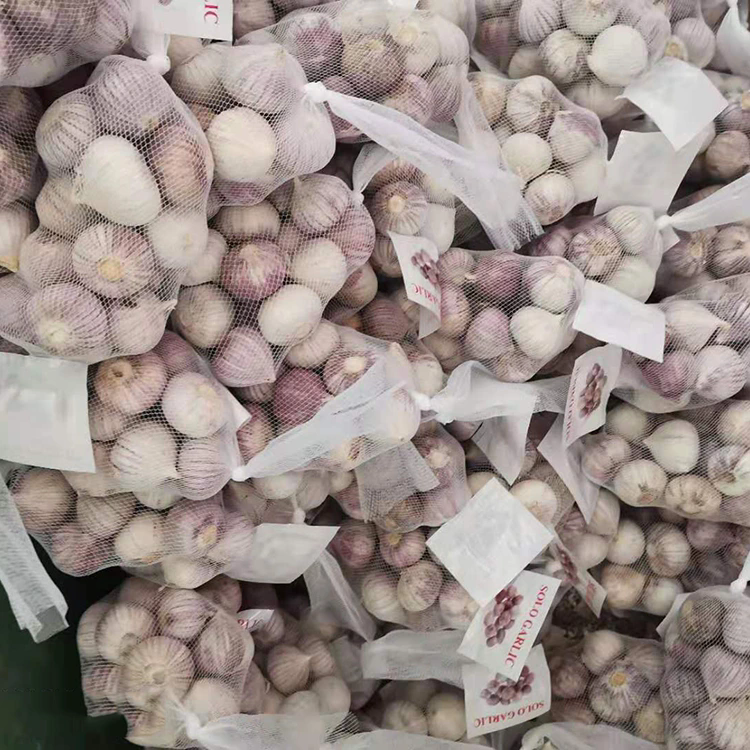
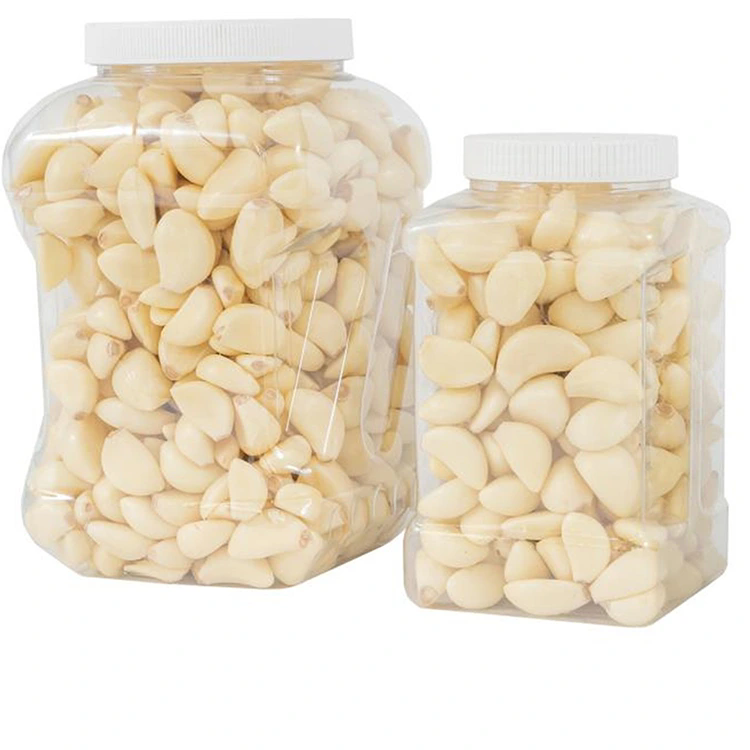
High Quality Single Clove Garlic


Table of Contents


1. What Causes Mold in Fresh Garlic?

Mold in fresh garlic is caused by fungi that are present in the environment and on the garlic itself. The most common molds are Penicillium, Aspergillus, and Botrytis. These fungi are opportunistic. They do not usually attack healthy, intact garlic bulbs. They invade through wounds, bruises, or areas where the outer skin has been damaged. Once inside, they feed on the moisture and nutrients in the garlic tissue. The result is the blue-green or black patches that buyers recognize as mold. The table below summarizes the primary causes of mold in fresh garlic.

Cause Mechanism Stage Where It Occurs
Mechanical Damage Bruises and cuts allow fungal entry Harvest, grading, packing
Excess Moisture Free water on the surface promotes fungal growth Curing, storage, shipping
Improper Curing Insufficient drying leaves the neck and skin moist Post-harvest
Temperature Fluctuation Condensation forms on the bulbs Storage, container transit
Poor Ventilation Humid air is trapped around the bulbs Storage, container
Contaminated Packaging Fungal spores on cartons or liners Packing

At Shandong Huaang Food Processing Co., Ltd., our factory controls these factors through a combination of careful harvesting, proper curing, and strict packing protocols. We understand that mold prevention begins long before the garlic reaches the container. Our quality team inspects every batch at multiple stages to ensure that only healthy, properly cured bulbs are packed for export.


2. Why Does Moisture Control Matter from Harvest to Container?

Moisture is the single most important factor in mold development. Fungi require free water to grow. If the surface of the garlic is dry, the spores cannot germinate. If the surface is wet, even for a few hours, the spores can begin to grow. The moisture content of fresh garlic is highest at harvest. The bulbs contain 60-70% water, and the necks and leaves are still green and wet. The first step in moisture control is curing. Curing is the process of drying the garlic in a well-ventilated area to reduce the moisture content of the outer skin and the neck. Proper curing removes 5-10% of the moisture and creates a dry barrier that resists fungal invasion. The second step is storage. Garlic must be stored in a dry, cool, and well-ventilated environment. If the storage area is humid or poorly ventilated, moisture can condense on the bulbs. The third step is packing. The garlic must be packed in dry, clean cartons or bags. If the packaging is damp or contaminated, it can introduce moisture and spores. The table below summarizes the moisture control points in the supply chain.

Stage Moisture Control Measure Target
Harvest Avoid harvesting in wet conditions Dry bulbs
Curing Dry in well-ventilated area for 2-4 weeks Skin moisture < 10%
Storage Store at 0-4°C, 65-70% RH No condensation
Packing Use dry, clean cartons with ventilation holes Dry packaging
Container Loading Use moisture absorbers, avoid loading in rain Low humidity inside container

At our factory, we follow a strict moisture control protocol for every shipment of Premium Fresh Garlic. We cure our garlic in dedicated drying rooms with controlled temperature and humidity. We store it in cold rooms with proper ventilation. And we pack it in dry, clean cartons that are designed to allow air circulation. Our quality team checks the moisture content at every stage and rejects any batch that does not meet our specifications.


3. How Does Temperature Affect Mold Development During Shipping?

Temperature is the second most important factor in mold development. Fungi grow fastest at temperatures between 20°C and 30°C. At these temperatures, mold can develop within a few days. At lower temperatures, fungal growth slows down but does not stop completely. At temperatures below 0°C, fungal growth is inhibited, but the garlic may suffer chilling injury. The ideal temperature for shipping fresh garlic is 0-4°C. At this temperature, the garlic remains dormant, and fungal growth is minimal. However, maintaining this temperature throughout the shipping process is challenging. Containers are exposed to ambient temperatures during loading, transit, and unloading. If the container is not properly insulated or refrigerated, the temperature inside can fluctuate significantly. These fluctuations can cause condensation, which provides the moisture that fungi need to grow. The table below summarizes the effect of temperature on mold development.

Temperature Range Effect on Mold Effect on Garlic
20°C - 30°C Rapid mold growth Respiration increases, quality declines
10°C - 20°C Moderate mold growth Sprouting may occur
0°C - 4°C Minimal mold growth Dormant, optimal storage
-2°C - 0°C No mold growth Risk of chilling injury

At our factory, we use refrigerated containers for all our export shipments of Premium Fresh Garlic. We pre-cool the garlic before loading to ensure that it is at the correct temperature from the start. We also use temperature data loggers to monitor the container temperature throughout the voyage. If the temperature deviates from the set point, we can identify the problem and take corrective action. Our goal is to deliver garlic that arrives in the same condition as it left our facility.


4. What Specifications Should Buyers Include in a Purchase Order?

When purchasing Premium Fresh Garlic, the buyer should include detailed specifications in the purchase order to ensure that the product meets the required quality and shelf-life standards. The key specifications are the variety, the bulb size, the skin color, the moisture content, the packing type, the container type, and the temperature set point. The variety should be specified by name (e.g., Pure White, Purple). The bulb size should be specified by diameter (e.g., 5.0-5.5 cm). The skin color should be specified (e.g., white, purple). The moisture content should be specified (e.g., < 65%). The packing type should be specified (e.g., 10 kg carton, 20 kg mesh bag). The container type should be specified (e.g., refrigerated, 40ft). The temperature set point should be specified (e.g., 0-2°C). The table below summarizes the specifications that should be included in a purchase order.

Specification Unit of Measure Example
Variety Name Pure White
Bulb Size cm 5.0 - 5.5 cm
Skin Color Description White
Moisture Content % < 65%
Packing Type Type and weight 10 kg carton
Container Type Type and size 40ft refrigerated
Temperature Set Point °C 0 - 2°C
Ventilation Open/Closed Open

At our factory, we work with our customers to ensure that all specifications are clearly defined and understood before production begins. We provide samples for approval and maintain strict quality control throughout the production process. Our goal is to deliver Premium Fresh Garlic that meets or exceeds our customers' expectations.


5. How Do You Evaluate a Fresh Garlic Supplier?

Evaluating a supplier of Premium Fresh Garlic requires a focus on farming practices, curing and storage facilities, packing capability, quality control, and shipping experience. The supplier must have access to high-quality garlic from reliable farms. They must have proper curing and storage facilities to maintain quality. They must have modern packing equipment to prepare the garlic for export. They must have a quality control system that ensures consistent quality. And they must have experience in shipping fresh garlic to international markets. The table below summarizes these evaluation criteria.

Evaluation Criterion What to Look For Why It Matters
Farming Practices Good agricultural practices, traceability Ensures raw material quality
Curing and Storage Controlled temperature and humidity Prevents mold and quality loss
Packing Capability Clean, dry, ventilated packaging Protects garlic during shipping
Quality Control Inspection records, moisture testing Ensures consistent quality
Shipping Experience Refrigerated container experience, data loggers Ensures safe delivery

At Huaang Food, our factory has been producing and exporting Premium Fresh Garlic for over a decade. We have a strong track record of quality, delivery, and customer satisfaction. We have our own curing and storage facilities, modern packing lines, and a dedicated quality control team. And we have extensive experience in shipping garlic to markets around the world. We invite you to evaluate us against these criteria and to consider us as your partner for Premium Fresh Garlic.


6. What Are the Key Product Parameters from Our Factory?

The following table provides the key product parameters for our Premium Fresh Garlic. These products are designed for retail, food service, and processing applications. Our factory can also produce custom specifications to meet specific requirements.

Parameter Specification Range Notes
Variety Pure White, Purple, Normal White Selected for market preference
Bulb Size 4.5 - 6.5 cm Custom sizes available
Skin Color White, Purple, Red Selected for market preference
Moisture Content < 65% Controlled through curing
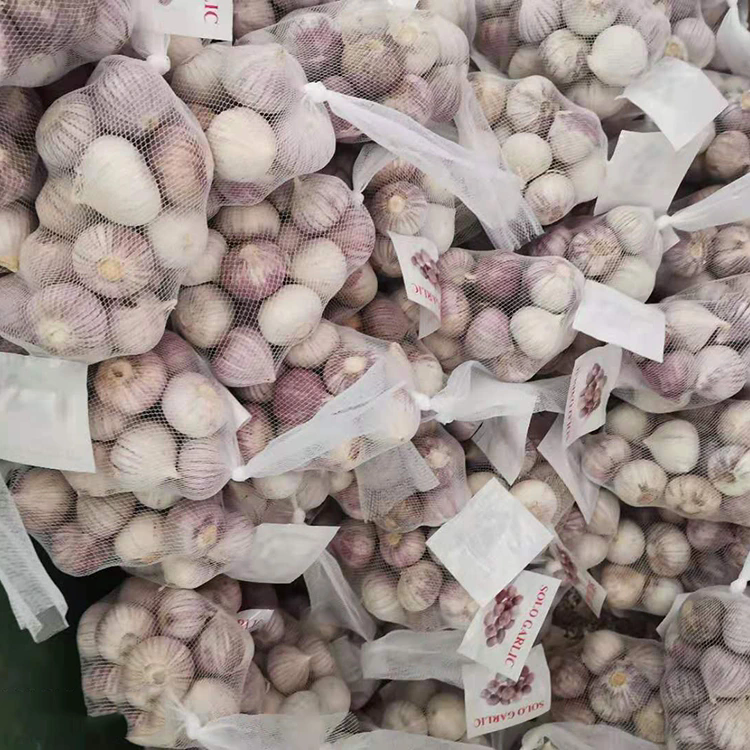
Packing Type Carton, Mesh Bag, Net Bag Custom packing available
Carton Weight 5 kg, 10 kg, 20 kg Selected for handling and shipping
Storage Temperature 0 - 4°C Optimal for freshness
Container Type 20ft, 40ft refrigerated Selected for volume
MOQ 1 x 20ft container Negotiable for large orders
Lead Time 2 - 4 weeks Depends on season and quantity

At our factory, we manufacture our Premium Fresh Garlic to meet these specifications and more. We can customize the variety, size, packing, and container type to suit your specific requirements. Our quality control system includes inspection of raw materials, in-process inspection, and final inspection before shipment. Our goal is to provide our customers with high-quality Premium Fresh Garlic that meets their needs.


7. Frequently Asked Questions (FAQ)

Question 1: What is the most common cause of mold in shipped garlic?

Answer: The most common cause is excess moisture, often resulting from improper curing or condensation inside the container. When moisture is present on the surface of the garlic, fungal spores can germinate and grow. Temperature fluctuations during shipping can cause condensation, which provides the moisture that fungi need. Proper curing, dry packaging, and temperature-controlled shipping are the key preventive measures.

Question 2: How can I tell if garlic has mold before it ships?

Answer: Mold can be detected by visual inspection. Look for blue-green, black, or white patches on the outer skin or at the neck. You can also smell the garlic. Moldy garlic has a musty, earthy odor. If you suspect mold, break open a few bulbs and inspect the cloves. Soft, discolored cloves are a sign of mold. At Shandong Huaang Food Processing Co., Ltd., we inspect every batch before shipment and reject any garlic that shows signs of mold.

Question 3: Does refrigerated shipping prevent mold?

Answer: Refrigerated shipping helps prevent mold by slowing fungal growth and reducing condensation. However, it does not eliminate mold if the garlic is already contaminated or if moisture is present. Refrigerated shipping must be combined with proper curing, dry packaging, and good ventilation to be effective. We use refrigerated containers with temperature data loggers to ensure that the garlic is kept at the optimal temperature throughout the voyage.

Question 4: What is the ideal temperature for storing fresh garlic?

Answer: The ideal temperature for storing fresh garlic is 0-4°C. At this temperature, the garlic remains dormant, and fungal growth is minimal. Temperatures above 10°C can promote sprouting and mold growth. Temperatures below -2°C can cause chilling injury, which damages the garlic and makes it more susceptible to mold. We store our garlic in cold rooms at 0-4°C and ship it in refrigerated containers set to the same temperature.

Question 5: Can moldy garlic be salvaged?

Answer: In most cases, moldy garlic cannot be salvaged. The mold may have penetrated the cloves, and the mycotoxins produced by the fungi can be harmful. If only a few bulbs in a batch are moldy, they can be removed, but the remaining garlic should be inspected carefully. If the mold is widespread, the entire batch should be rejected. Prevention is always better than salvage, which is why we focus on controlling moisture and temperature at every stage of the supply chain.


8. Conclusion

Mold in fresh garlic during storage and international shipping is a complex problem with multiple causes. It is not simply a matter of bad luck or poor handling at one stage. It is the result of a chain of conditions that begins at harvest and continues through curing, storage, packing, and shipping. For buyers, the key to reducing mold-related losses is to understand this chain and to specify the right product and supplier. By controlling moisture, maintaining the correct temperature, and using proper packaging, suppliers can deliver garlic that arrives in excellent condition. At Shandong Huaang Food Processing Co., Ltd., our factory has the expertise, the facilities, and the experience to control these factors. We are committed to delivering Premium Fresh Garlic that meets the highest quality standards.

Whether you are sourcing garlic for retail, food service, or processing, we invite you to contact us to discuss your requirements. We can provide samples, technical data, and customized solutions. Our commitment to quality and customer satisfaction has made us a trusted partner for businesses around the world.

Contact Shandong Huaang Food Processing Co., Ltd. today to discuss your Premium Fresh Garlic requirements and discover how our quality control can protect your shipment.

Related News
Leave me a message
X
We use cookies to offer you a better browsing experience, analyze site traffic and personalize content. By using this site, you agree to our use of cookies. Privacy Policy
RejectAccept