Follow Us:

News

What Packaging Options Should Buyers Consider for Premium Fresh Onions Exports?

2026-11-18 0 Leave me a message

Choosing the right packaging is a commercial and quality decision for buyers importing Premium Fresh Onions. The package must do more than hold the bulbs. It needs to provide suitable ventilation, protect the onions from impact and compression, support efficient handling, and carry the information required by the destination market. A format that works well for a wholesale distributor may not be suitable for a supermarket programme or a food-service customer. Buyers should therefore assess packaging in relation to the product grade, order volume, transport route and final sales channel.


For export orders from Shandong Huaang Food Processing Co., Ltd., packaging can be planned around different buyer requirements, including mesh bags, cartons, PVC boxes and pallet-based arrangements. Common produce pack weights listed by the company include 5 kg, 10 kg, 15 kg and 20 kg, while customized sizes and printed packaging can also be discussed. These figures provide a starting point rather than a universal specification for every onion variety or destination. The final package should be confirmed against bulb size, net weight, ventilation needs, stacking conditions and the importing country's labelling rules.

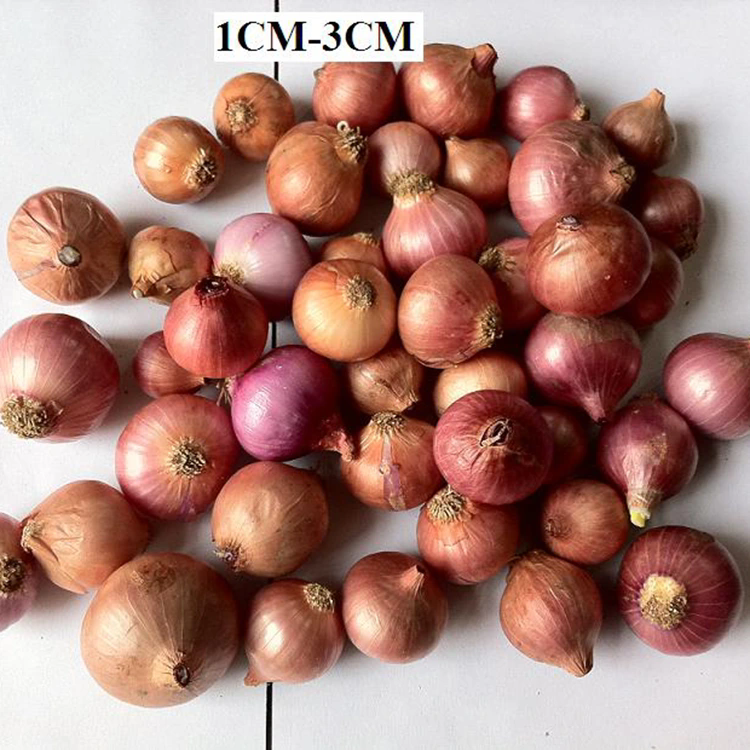
Selected Fresh Little Pearl Onions


Table of Contents

1. What Packaging Formats Are Suitable for Different Onion Export Markets?

2. How Should Buyers Evaluate Packaging Specifications, Ventilation and Product Protection?

3. Why Do Order Size, Transport Conditions and Market Requirements Affect Packaging Selection?

4. Conclusion: How Can Buyers Confirm the Right Export Packaging Plan?

5. Frequently Asked Questions


What Packaging Formats Are Suitable for Different Onion Export Markets?

There is no single package that suits every fresh onion shipment. The best choice depends on how the buyer intends to sell the product, how long it will remain in transit, and how the shipment will be handled after arrival. A wholesale importer supplying traditional markets may prioritise economical bulk packs and easy unloading. A supermarket distributor may need smaller, consistent packs with clear product identification. A food-service supplier may prefer a practical weight that can be moved and stored without repeatedly opening oversized containers. Shandong Huaang Food Processing Co., Ltd. supports packaging discussions around these different purchasing situations, allowing buyers to consider the sales channel before confirming the packing format.


1. Mesh Bags for Ventilation and Wholesale Distribution

Mesh bags are widely used for whole bulb onions because their open structure allows air to move around the produce. This is particularly relevant during storage and transport, when heat and moisture can accumulate if packages are too restrictive. The open construction also allows buyers and warehouse staff to see the bulbs without opening the package, making it easier to check general appearance during receiving and stock rotation.

Mesh packaging is often a practical option for:

  • Wholesale importers purchasing onions in larger quantities.
  • Traditional produce markets where retailers prefer to see the product before buying.
  • Distributors that transfer full bags from the receiving area to regional warehouses.
  • Customers who need a relatively lightweight package that is easy to handle.

However, buyers should not select mesh bags on ventilation alone. Mesh strength, opening size, seam quality, closure method and finished bag dimensions all influence performance. If the openings are too large, smaller bulbs may escape or protrude. If the bag material is weak, seams may split when the package is lifted. If the bag is overfilled, the onions can press against one another and suffer mechanical damage. A suitable design should hold the agreed net weight without excessive bulging and should remain secure during normal loading and unloading.

Our packaging discussions should therefore establish the target weight, bulb size range, bag material, mesh construction and closure method before mass packing begins. Buyers may also request a sample filled with representative onions, rather than assessing an empty bag alone. This makes it easier to judge the relationship between the package dimensions and the actual product.


2. Ventilated Cartons for Retail and Structured Distribution

Corrugated cartons offer a more regular shape than flexible bags. Their flat surfaces make them easier to label, stack and arrange on pallets. They can also provide a larger printable area for brand identity, product origin, grade information and handling instructions. For importers supplying supermarkets, food distributors or organised wholesale networks, cartons can make warehouse operations and product presentation more consistent.

Cartons are worth considering when buyers need:

  • A rectangular package that can be stacked in a planned loading pattern.
  • Printed outer packaging for product identification and brand presentation.
  • More defined package dimensions for pallet and warehouse planning.
  • A protective outer structure for handling through multiple distribution stages.

Ventilation must be built into the carton design. A closed box with insufficient openings can restrict airflow around the bulbs. At the same time, large or poorly positioned openings may reduce structural strength or expose the onions to unnecessary contact. The opening layout, board grade, carton dimensions and stacking arrangement should be assessed together. Buyers should also consider whether the carton will be stored in a humid environment, because moisture can affect the strength of paper-based packaging.

For Premium Fresh Onions, carton selection should be based on the expected handling conditions rather than appearance alone. A carton that looks attractive in a product photograph may not be suitable for a long sea journey if its ventilation and stacking performance have not been evaluated. Shandong Huaang Food Processing Co., Ltd. can discuss carton dimensions, printing requirements and packing weights according to the order plan. The final board construction and ventilation design should be confirmed through a sample and an agreed packing specification.


3. PVC Boxes and Consumer-Oriented Packs

PVC boxes can be considered for selected retail presentations where product visibility and a defined package shape are important. A transparent or partly transparent container allows the buyer to inspect the onions without opening the pack. This may be useful for smaller retail quantities, promotional displays or specialised distribution programmes. Nevertheless, visibility should not take priority over the product's ventilation requirements.

Before choosing a PVC format, buyers should confirm whether the design provides adequate air exchange for the intended onion type and distribution period. A fully enclosed container should not be assumed to be suitable for whole fresh onions simply because it offers a neat appearance. Ventilation openings, lid design, material thickness, closure security and the ability to withstand stacking all need to be reviewed. The package must also be suitable for the food-contact requirements applicable in the destination market.

For a retail programme, the buyer may want to compare several pack sizes and display formats. A smaller pack can be convenient for household purchases, while a larger retail pack may suit families, catering customers or value-oriented stores. The correct choice depends on local buying habits, shelf space, price positioning and expected stock turnover. Our factory can discuss customized packaging and printing, but the precise PVC box dimensions and construction should be approved for the specific product and sales channel.


4. Pallet-Based Packaging for Container Handling

Pallets are not a replacement for the primary bag or carton. They are a unitisation method that groups packages into a more manageable load. When designed correctly, palletisation can reduce repeated manual handling and help maintain a consistent loading pattern from the packing facility to the destination warehouse.

Buyers should evaluate the following points:

  • Pallet dimensions and compatibility with the intended container or warehouse system.
  • Package arrangement and the number of layers permitted by the package strength.
  • Strapping, stretch wrapping or netting requirements for load stability.
  • Clearance for airflow around and between pallet loads.
  • Protection against shifting, tipping and compression during transit.

Excessive wrapping can obstruct ventilation, while unstable stacking can allow packages to move during transport. The pallet plan should therefore be reviewed as part of the complete packaging design. A stable load is not necessarily a well-ventilated load; both conditions must be achieved together.

Shandong Huaang Food Processing Co., Ltd. can discuss carton pallets and other packing arrangements for export orders. Buyers should provide the intended container type, destination handling method and warehouse requirements before the final pallet configuration is approved.


How Should Buyers Evaluate Packaging Specifications, Ventilation and Product Protection?

Packaging specifications should be treated as measurable purchasing requirements, not as general descriptions such as strong bag, export carton or premium packing. For fresh onion shipments, small differences in bag dimensions, net weight, ventilation and stacking can affect handling efficiency and product condition at destination. Buyers should request a written packing specification that links the package to the onion grade and the shipping plan. This is especially important when several suppliers are being compared, because two offers quoting the same net weight may use different materials, package dimensions or loading methods.


Which Packaging Parameters Should Be Written into the Purchase Order?

The following table separates the packaging options and reference specifications that buyers can discuss with the supplier. The available company packaging information lists carton boxes, mesh bags, PVC boxes and carton pallets, with common produce pack weights of 5 kg, 10 kg, 15 kg and 20 kg. These weights should be confirmed for the specific onion order rather than automatically applied to every format.

Packaging item Available or selectable option What the buyer should confirm Main purchasing consideration
Primary packaging format Mesh bags Material, mesh opening, dimensions, seam strength and closure Air circulation and secure handling
Primary packaging format Corrugated cartons Board construction, dimensions, ventilation openings and stacking strength Protection, print area and pallet arrangement
Retail packaging format PVC boxes Food-contact suitability, ventilation, thickness, closure and size Product visibility and retail presentation
Transport unit Carton pallets Pallet dimensions, layer count, securing method and airflow clearance Container loading and warehouse efficiency
Common produce pack weights 5 kg, 10 kg, 15 kg and 20 kg Net weight tolerance and suitability for the selected onion grade Retail, food-service or wholesale handling
Customisation Custom sizes and printed packaging Artwork, language, label position, colour and approval sample Market identity and buyer requirements

In addition to these items, the purchase order should specify whether the quoted weight refers to net product weight or gross package weight. It should also define the acceptable weight tolerance, the number of packages per carton or pallet where applicable, and the method used to verify the finished quantity. This prevents misunderstandings between the buyer's warehouse team and the packing supplier.


Why Is Ventilation a Critical Part of Onion Packaging?

Whole onions continue to respire after harvest. They also release moisture, and the surrounding air conditions influence how well the product holds its quality during storage and transit. If warm, humid air becomes trapped inside a package or between tightly stacked loads, local conditions may encourage deterioration. Insufficient ventilation can also make it harder to remove heat generated within the load. For this reason, package design and container loading need to be considered as one system.

Good ventilation depends on more than the number of holes in a bag or carton. Air must be able to enter the package, move around the bulbs and pass through the full pallet or container load. A carton with ventilation openings can still perform poorly if the holes are blocked by adjacent cartons, liners or wrapping. Likewise, mesh bags may lose much of their advantage if they are compressed into a dense stack without airflow gaps.

Buyers should review these practical details:

  • Whether the package allows air to circulate around the bulbs.
  • Whether ventilation openings remain unobstructed after stacking.
  • Whether liners or printed sleeves interfere with the package's open areas.
  • Whether pallet spacing supports the airflow plan inside the container.
  • Whether loading instructions are consistent with the intended transport conditions.

Transport guidance for dry bulb onions commonly emphasises ventilation, protection from moisture and careful handling. The exact temperature and humidity plan must be selected according to whether the onions are cured or fresh, the variety, the journey and the carrier's operating conditions. Buyers should not copy a temperature recommendation from another onion programme without checking that it applies to their own product.


How Can Packaging Reduce Bruising, Compression and Handling Damage?

Onions can be damaged by rough handling even when the outer package remains intact. Bruised or cut bulbs may deteriorate more quickly, and compression can affect the appearance and marketability of the product. Packaging should therefore limit unnecessary movement without forcing the bulbs tightly against one another. The objective is to keep the agreed quantity secure while avoiding excessive pressure during lifting, stacking and transport.

For mesh bags, the buyer should check that the bag is not filled beyond its intended capacity. The closure should be secure, and the filled bag should not have sharp or hard edges that can damage neighbouring packages. For cartons, the internal space should be appropriate for the bulb size and pack weight. A carton that is too large may allow excessive movement; one that is too small may cause pressure and deformation.

Package strength must also match the stacking plan. The bottom layer of a pallet carries the load from the layers above it. If the carton board or bag construction is not designed for that pressure, the lower packages may deform and transfer force to the onions. Buyers should ask for the proposed maximum stacking arrangement and confirm that the package has been assessed under realistic handling conditions.

Our quality-control process should connect product inspection with packing inspection. Bulbs are harvested at maturity, then sorted and graded, with damaged, deformed and rotten onions removed during screening. Packaging checks should follow this selection process and confirm that the approved material, net weight, closure and label are used consistently. A sound package cannot compensate for poor product selection, just as careful grading cannot protect onions placed in an unsuitable package.


What Labelling Information Should Export Buyers Confirm?

Labelling requirements vary by destination country, buyer programme and product presentation. A wholesale mesh bag may need a different label arrangement from a retail carton. Before printing, buyers should confirm the mandatory information with their importer, customs broker or relevant authority. Typical information to review includes:

  • Product name and onion variety, where required.
  • Country of origin and producer or packer identification.
  • Net weight and package count, where applicable.
  • Grade, size range or other agreed product classification.
  • Lot or batch identification for traceability.
  • Packing date or other date information required by the destination market.
  • Storage and handling instructions where appropriate.
  • Import-specific marks, language requirements and barcode details.

Shandong Huaang Food Processing Co., Ltd. can discuss printed packaging and customised labels according to the buyer's market plan. However, artwork approval should not be treated as confirmation of legal compliance. The importer remains responsible for checking the current rules that apply to the destination market, while the supplier should ensure that the approved information is reproduced accurately on the shipment.


Why Do Order Size, Transport Conditions and Market Requirements Affect Packaging Selection?

A package that is suitable for a short domestic delivery may not be the best choice for an export shipment involving several handling stages and a long sea journey. Packaging decisions influence not only product protection but also freight utilisation, warehouse labour, retail presentation and the amount of material used per kilogram of saleable onions. Buyers should evaluate the full supply chain rather than selecting a format based only on its unit price. The lowest-cost bag may not provide the best overall value if it increases handling time, causes avoidable damage or fails to meet the importer’s packaging requirements.


How Should Buyers Match Pack Weight to the Sales Channel?

Pack weight determines how the product moves through the distribution chain. Smaller packages can be easier for retail staff and consumers to handle, but they may require more packaging material and more individual packing operations per tonne. Larger packages can improve packing efficiency for wholesale buyers, although they may be less convenient for smaller shops and food-service customers. The right balance depends on the buyer's customer base and the way stock is received, stored and sold.

As a starting point, buyers can assess the following pack-weight options:

  • 5 kg packs: Suitable for buyers who need a more manageable unit for retail replenishment, smaller distributors or selected food-service customers.
  • 10 kg packs: A flexible option for distributors serving a mix of independent retailers and catering customers.
  • 15 kg packs: Worth considering for wholesale channels that need a larger quantity while retaining manageable handling units.
  • 20 kg packs: May suit bulk-oriented buyers and professional users, subject to manual handling rules and package strength.

These are common produce pack weights listed in the company's packaging information, not a guarantee that every weight is suitable for every onion grade, bag or carton. The buyer should confirm the actual pack format and loading plan with the supplier. For markets with specific manual-handling requirements, package weight should also be reviewed against local occupational safety guidance.


Which Packaging Choices Work Best for Sea Freight?

Sea freight introduces a longer period during which the product may be exposed to changing temperatures, humidity and handling conditions. The packaging must remain intact while allowing the cargo to be ventilated according to the agreed transport plan. Moisture entering the load, condensation caused by temperature changes and blocked airflow can all undermine product condition. Buyers should therefore consider the package, container and loading arrangement together.

Before confirming a sea-freight order, buyers should ask the supplier and logistics provider to agree on:

  1. Container suitability. Confirm whether the shipment will move in a ventilated or temperature-controlled container and whether that equipment is appropriate for the product and route.
  2. Pre-loading condition. Check that the container is clean, dry, free from unwanted odours and suitable for food cargo.
  3. Airflow arrangement. Make sure the package design and pallet positions do not obstruct the intended air circulation.
  4. Moisture protection. Avoid exposing packages to rain or wet loading surfaces, and manage condensation risks during temperature changes.
  5. Load stability. Secure bags, cartons and pallets to reduce movement, tipping and compression during the voyage.
  6. Receiving inspection. Agree on how the buyer will check package condition, net weight, bulb appearance and any transit damage on arrival.

Transport conditions should be product-specific. Guidance for cured storage onions is not automatically appropriate for freshly harvested or uncured onions. The buyer should also consider the expected transit duration, port dwell time, seasonal weather and destination storage facilities. Shandong Huaang Food Processing Co., Ltd. provides export logistics coordination and can discuss cold-chain arrangements, but the final temperature, ventilation and handling plan should be agreed with the carrier based on the actual consignment.


How Do Import Regulations and Retail Requirements Change the Packaging Plan?

Packaging must be acceptable not only to the buyer but also to the destination market. Requirements may cover food-contact materials, country-of-origin declarations, product identity, traceability, net quantity, language, plant-health documentation and packaging waste obligations. These requirements can differ between countries and may change over time. A design that has been accepted for one market should not automatically be reused for another.

For example, a supermarket programme may require a barcode, a specific label position and consistent consumer pack weights. A wholesale importer may place greater emphasis on origin, grade, net weight and lot identification. A distributor supplying food manufacturers may require clear batch records and packaging that can be handled efficiently in a central warehouse. The buyer should provide these requirements before artwork and packaging materials are finalised.

Our export order planning should include a review of the destination market, the buyer's labelling template and the documents needed for customs clearance. Depending on the market and shipment, export documentation may include a commercial invoice, packing list, bill of lading, certificate of origin and phytosanitary certificate. The exact documents and inspection requirements must be confirmed for the destination and product category before shipment.


What Should Buyers Check Before Approving a Packaging Sample?

A sample approval process reduces the risk of discovering a packaging problem after the order has entered production. Buyers should assess the sample as a filled package, because an empty bag or carton does not show how the final load will behave. Where practical, the sample should use representative bulbs from the intended grade and size range.

A useful sample review includes the following checks:

  • Does the selected format suit the intended retail, wholesale or food-service channel?
  • Does the package hold the agreed net weight without excessive bulging?
  • Can air move through the package and the proposed stacked arrangement?
  • Are seams, closures, handles or carton joints secure during normal handling?
  • Are the onions protected from unnecessary movement and compression?
  • Are printing, labels, origin details and lot information correct?
  • Can the package be stacked and loaded efficiently without blocking airflow?
  • Does the finished sample meet the buyer's destination-market requirements?

Photographs can help buyers review appearance, but they should not replace a physical sample when package strength, dimensions or ventilation are important. For a larger order, the buyer may also request a pre-shipment packing record or inspection according to the agreed contract. Our factory can coordinate packaging discussions and sample review so that the approved design is clear before bulk packing starts.


Conclusion: How Can Buyers Confirm the Right Export Packaging Plan?

The right export package is the one that protects the onions, supports ventilation, fits the intended sales channel and remains practical throughout the transport route. Mesh bags are often considered for airflow and wholesale handling, ventilated cartons offer a regular shape and larger print area, PVC boxes may suit selected retail programmes, and palletisation can improve load handling when the arrangement preserves airflow and stability. No format should be selected without considering the onion grade, pack weight, destination requirements and expected journey.


Shandong Huaang Food Processing Co., Ltd. supports packaging discussions for Premium Fresh Onions through options including mesh bags, cartons, PVC boxes, carton pallets and customised printed packaging. Before placing an order, buyers should confirm the package material, dimensions, net weight, ventilation design, label content, pallet arrangement and transport plan in writing. Contact Shandong Huaang Food Processing Co., Ltd. with your target market, required pack weight, preferred packaging format and estimated order volume to discuss a suitable export packing proposal and request a sample for evaluation.


Frequently Asked Questions

1. Which packaging format is generally suitable for exporting whole fresh onions?

Mesh bags and ventilated cartons are commonly considered for whole onion exports because they can provide airflow while supporting different handling and sales requirements. Mesh bags are often practical for wholesale distribution, while cartons provide a more regular shape for stacking, labelling and retail-oriented supply. The final choice should depend on bulb size, pack weight, transport duration, loading arrangement and destination requirements. Buyers should assess a filled sample before approving bulk production.


2. What pack weights can buyers discuss when ordering fresh onions from Huaang Food?

The company's published packaging information lists common produce pack weights of 5 kg, 10 kg, 15 kg and 20 kg, with customised sizes also available for discussion. These weights should be confirmed for the specific onion product and selected packaging format. A buyer should state whether the order is intended for retail, food service or wholesale distribution, then confirm net weight, package dimensions, tolerance and the number of units per pallet or container.


3. Why should onion export packaging have ventilation openings?

Whole onions continue to respire after harvest and can release moisture during storage and transport. Suitable ventilation helps air circulate around the bulbs and through the stacked load, reducing the risk of trapped heat and moisture. The package openings must remain clear after bags or cartons are stacked. Buyers should also ensure that pallet wrapping, liners and container loading do not block airflow. Ventilation design should be matched to the product condition and transport plan.


4. Can buyers request customised printed packaging for different export markets?

Yes. Shandong Huaang Food Processing Co., Ltd. lists customised packaging sizes and printing among its services. Buyers can discuss brand artwork, product identification, label position, language and other market-specific details before production. However, printed artwork should be checked against the destination country's current labelling and import requirements. The importer should provide the approved label information, while the supplier should confirm that the final printed version matches the approved file and packing specification.


5. What information should be confirmed before a bulk onion export order is packed?

Buyers should confirm the onion variety or product description, size or grade, package format, material, net weight, dimensions, ventilation design, label details, batch identification, pallet arrangement and shipping method. They should also agree on the inspection procedure, acceptable quality criteria, packing sample approval and required export documents. Putting these details in the purchase order or a signed packing specification helps both parties work to the same requirements and reduces the risk of delays or disputes after shipment.

Related News
Leave me a message
X
We use cookies to offer you a better browsing experience, analyze site traffic and personalize content. By using this site, you agree to our use of cookies. Privacy Policy
RejectAccept